Welcome to Dr. Chadi Murr

Breast Reconstruction After Breast Cancer in Lebanon
Breast Reconstruction After Breast Cancer in Lebanon
Post-Mastectomy Breast Reconstruction by Dr. Chadi Murr
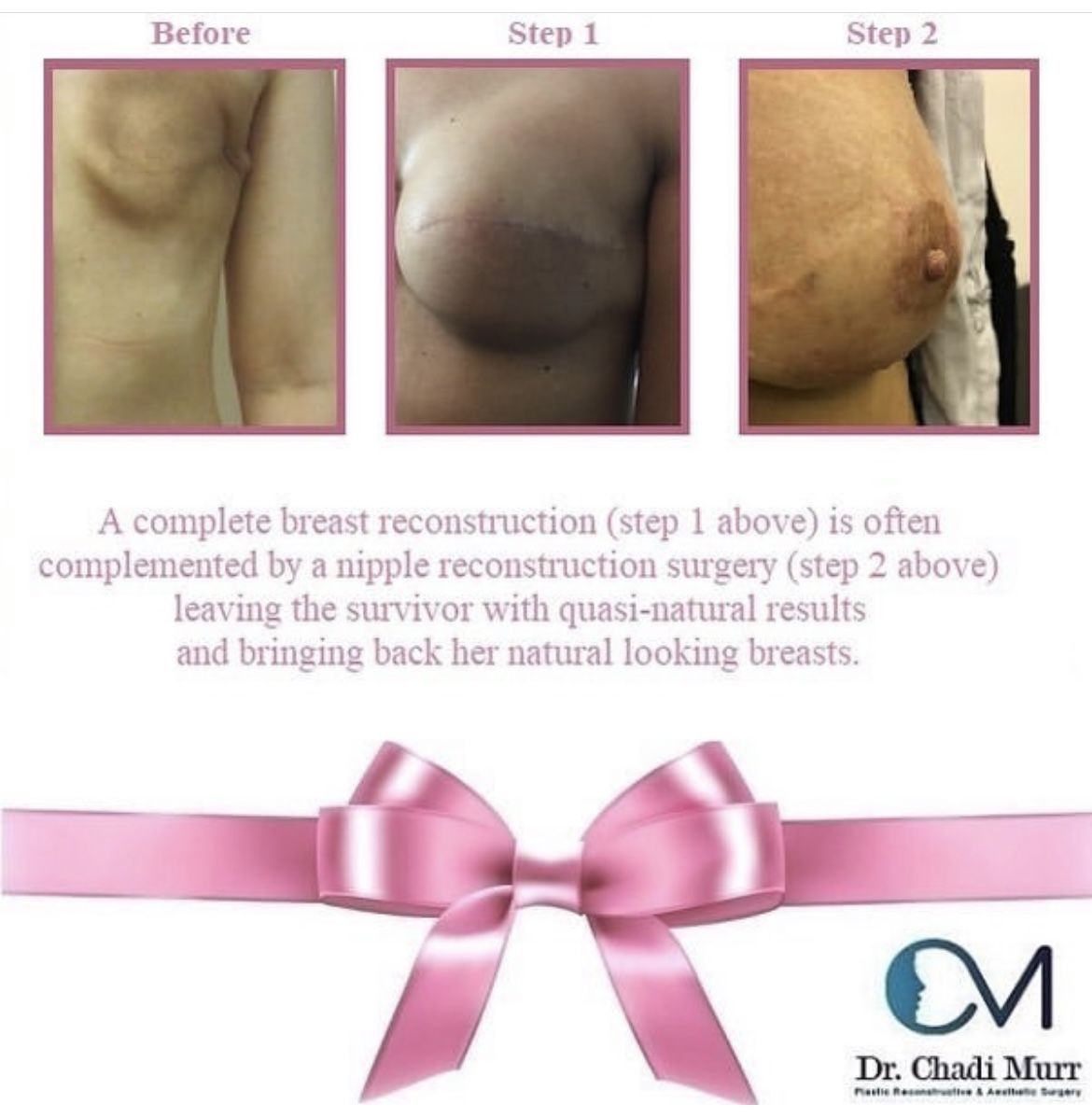
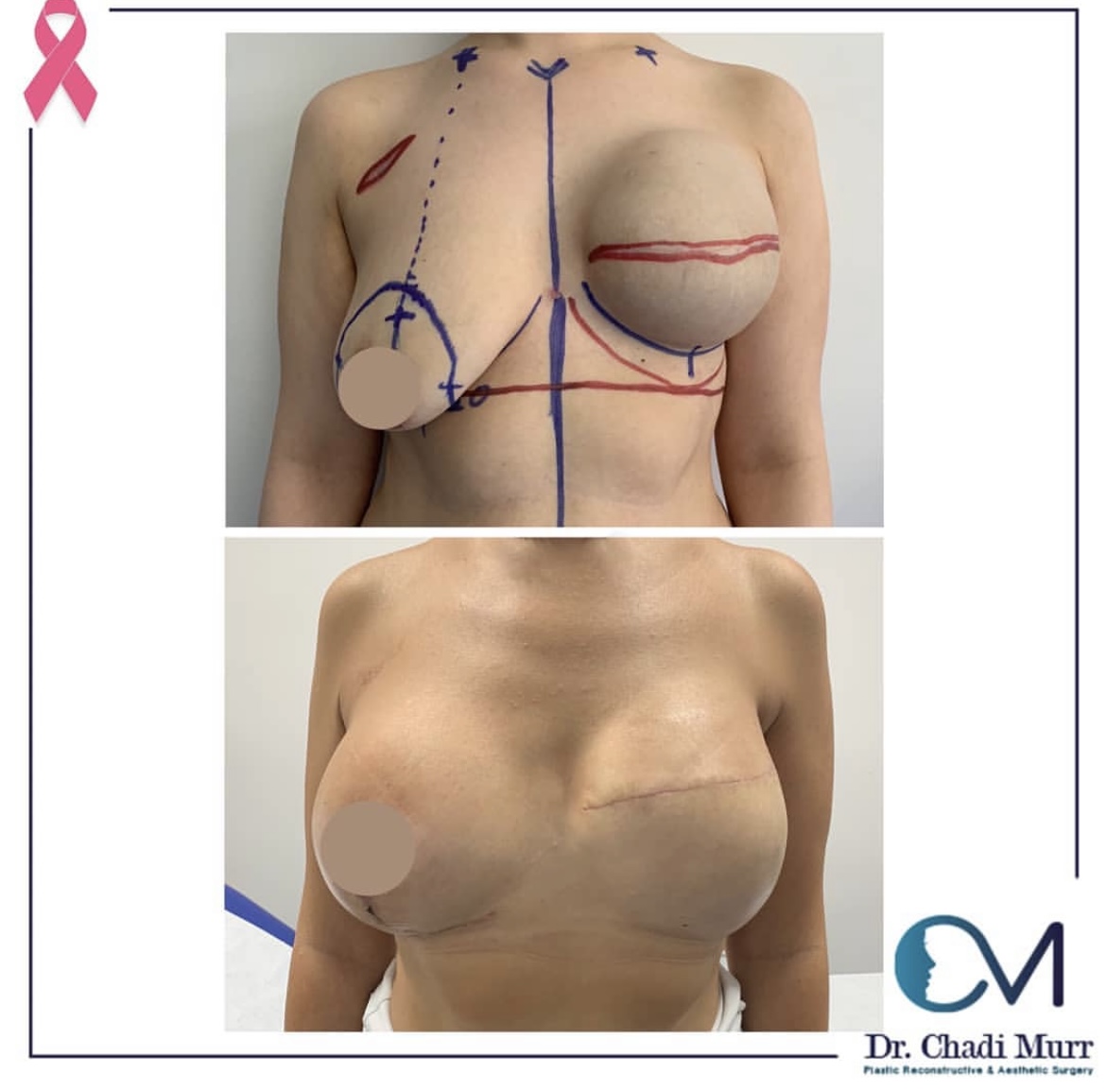
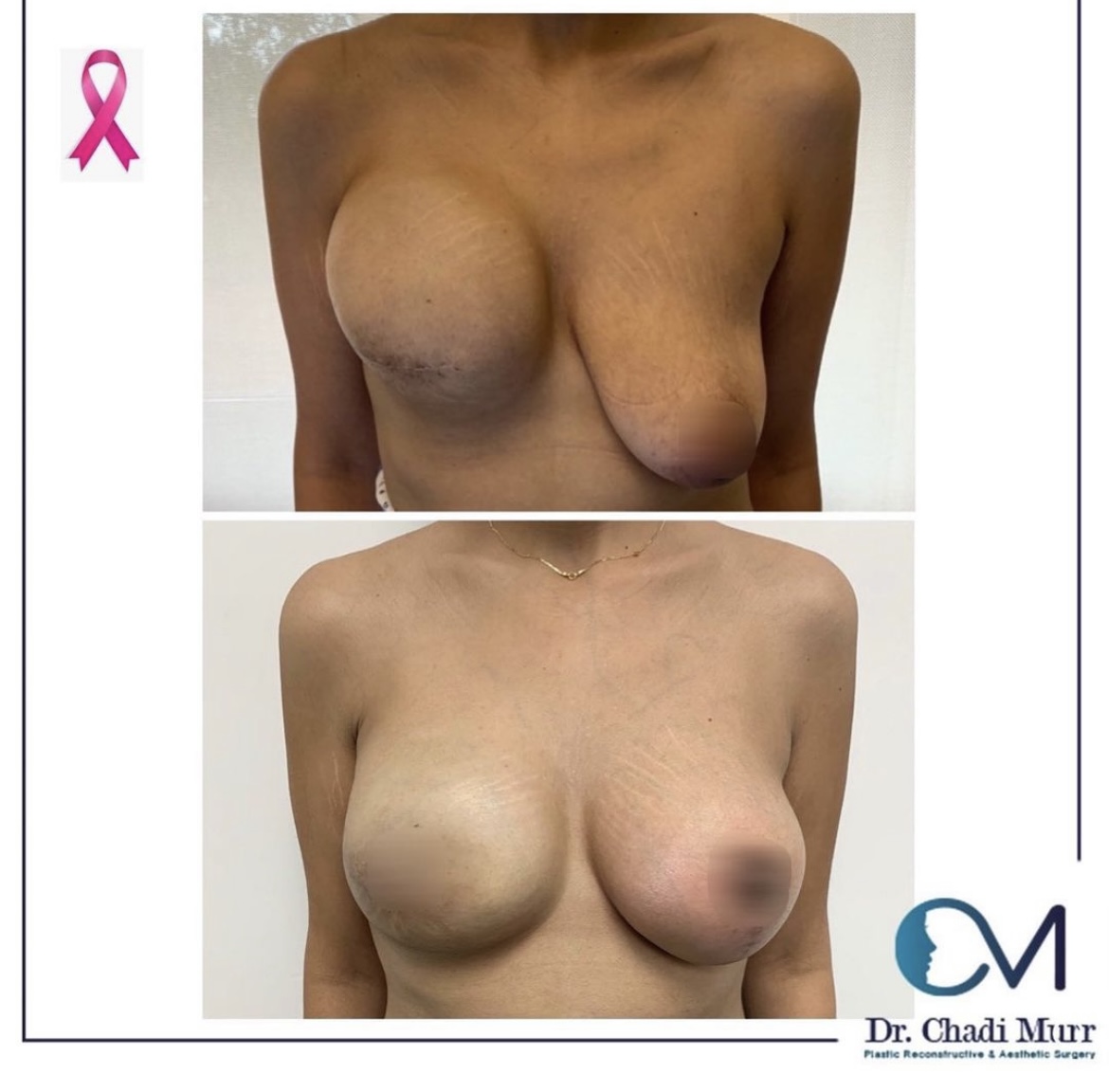
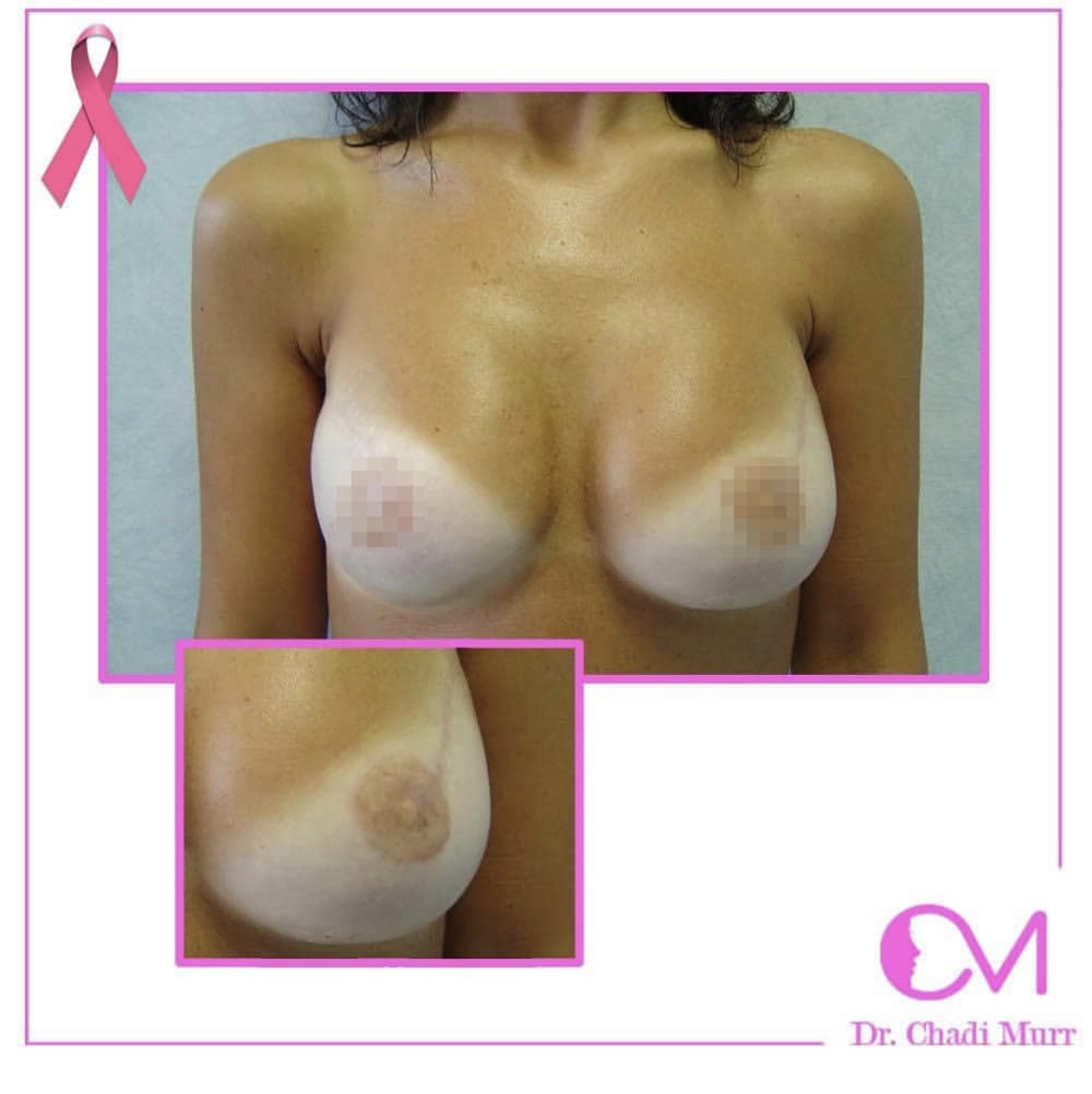
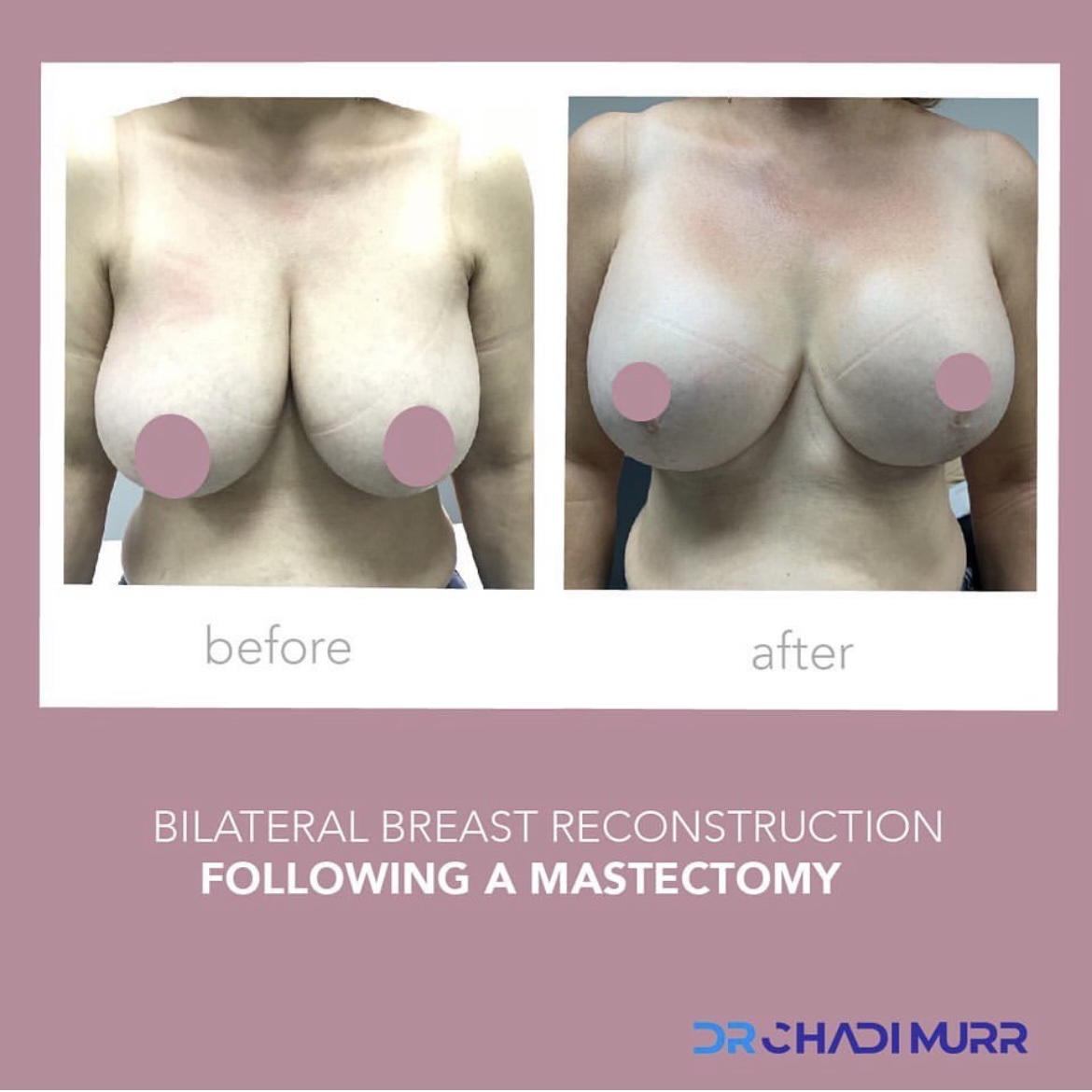
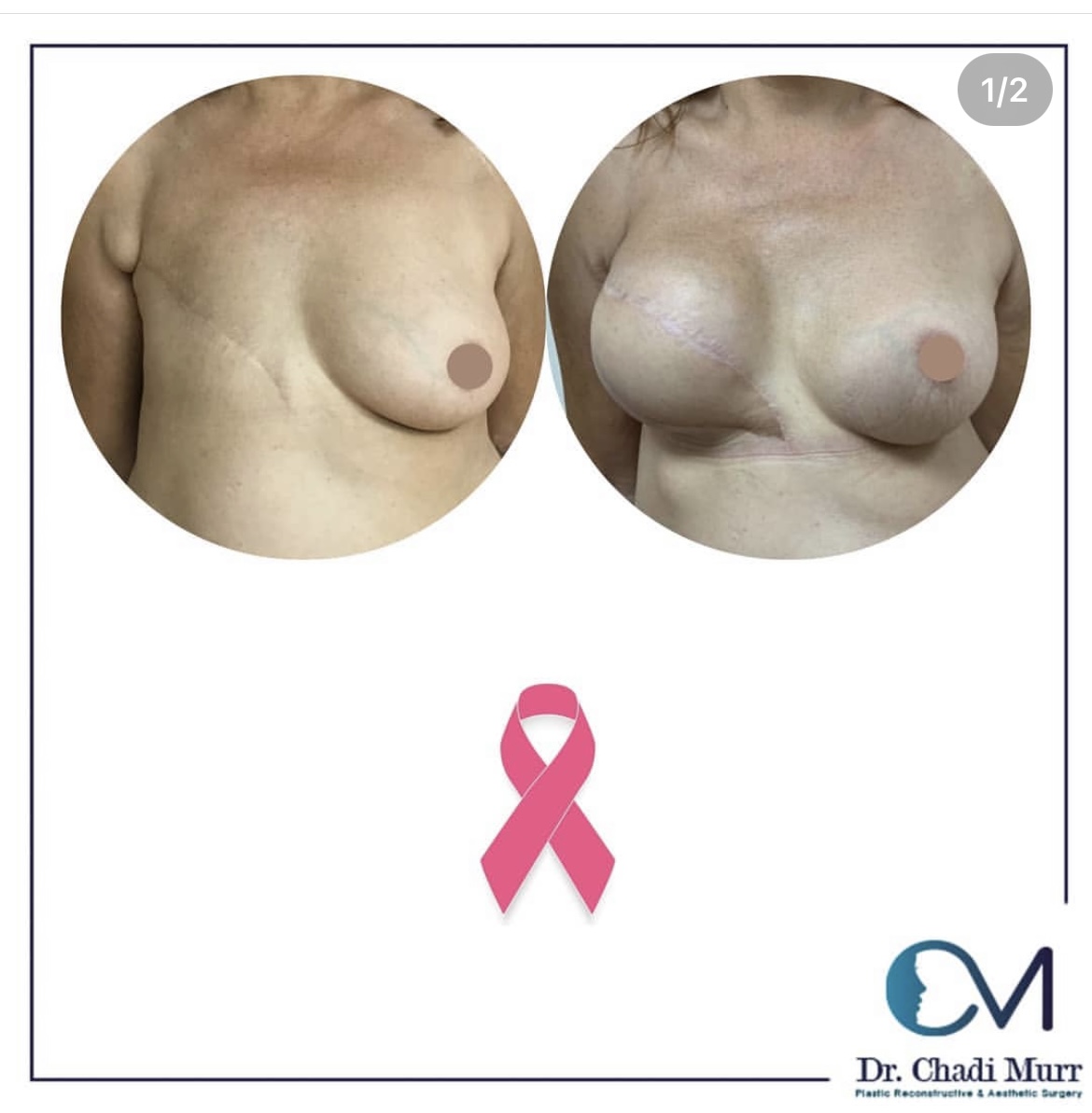
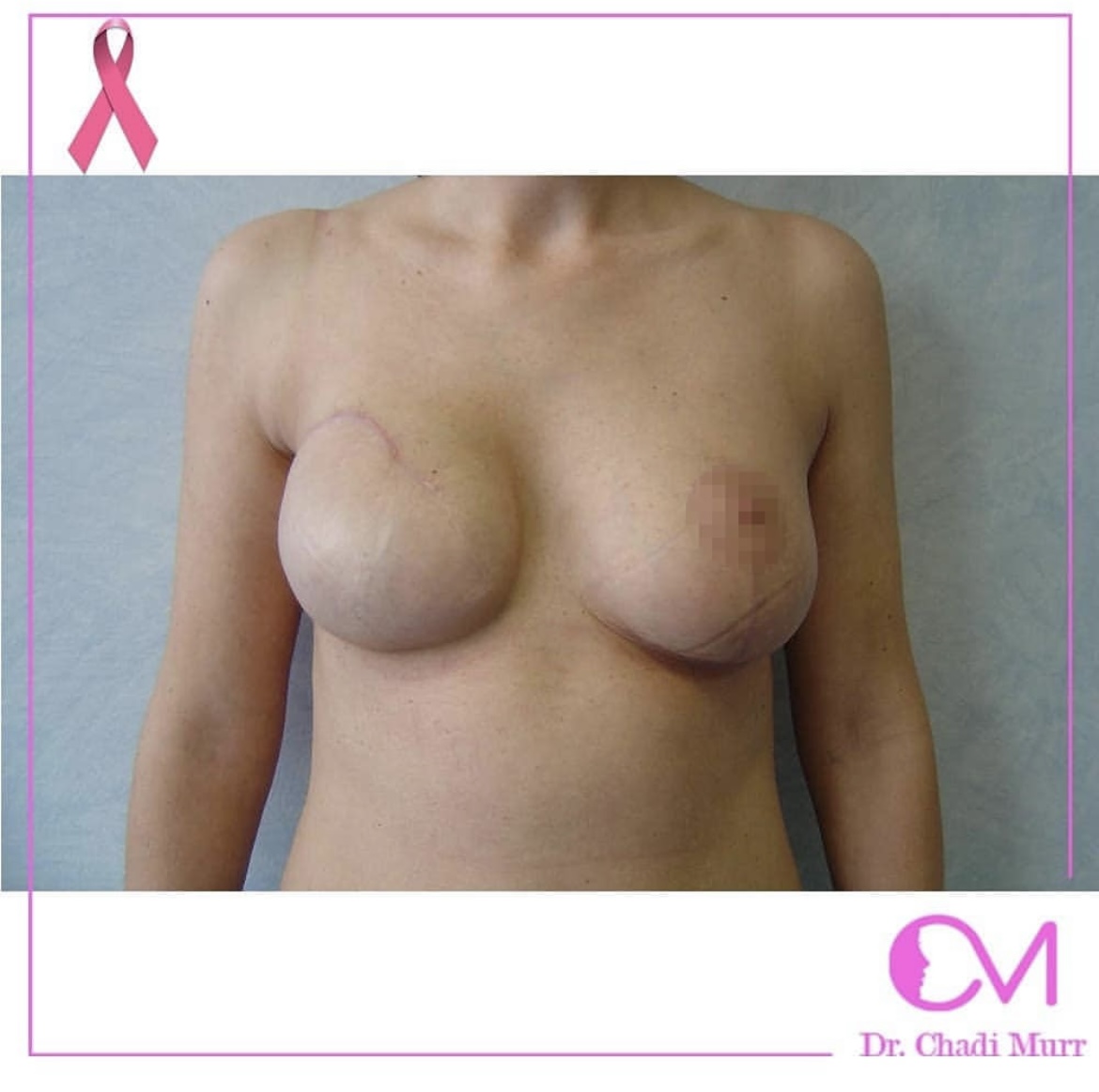
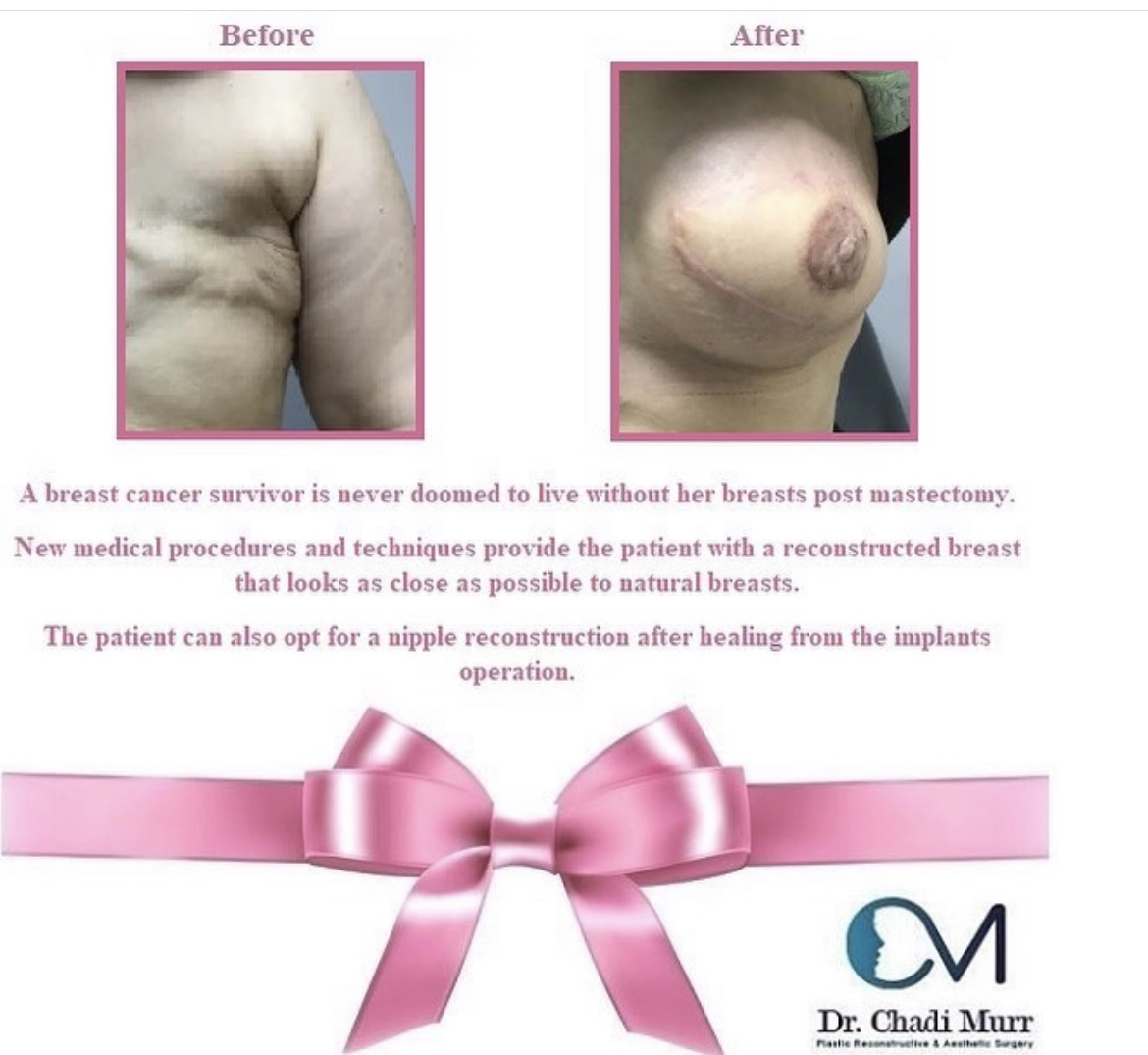
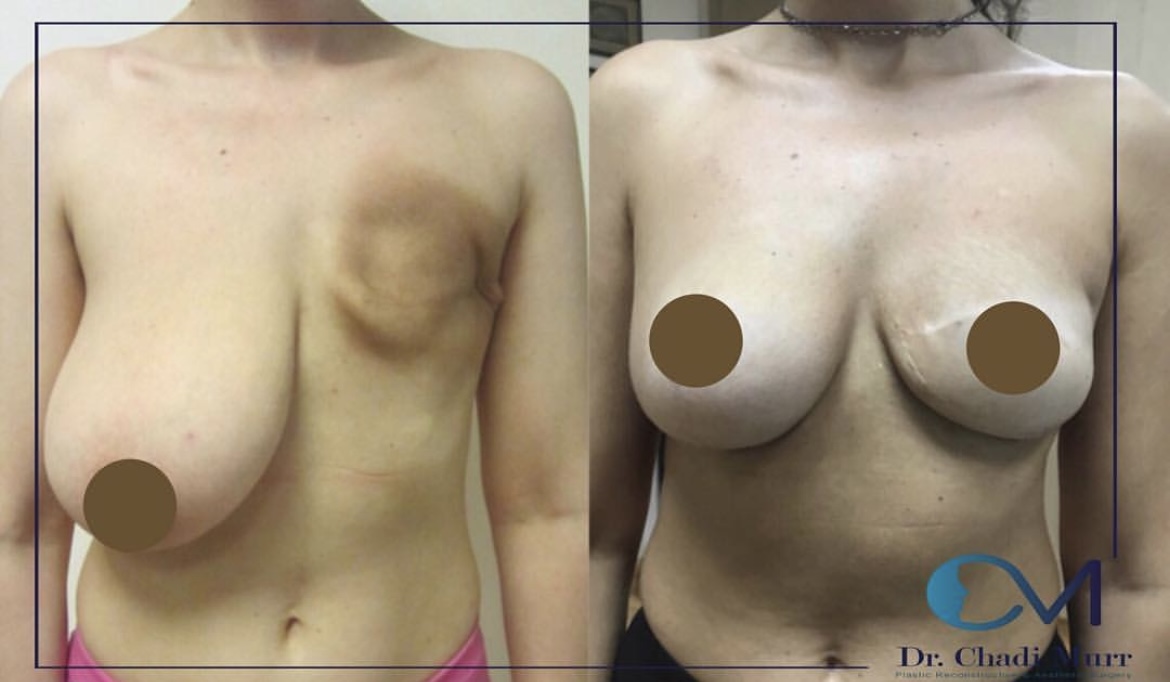
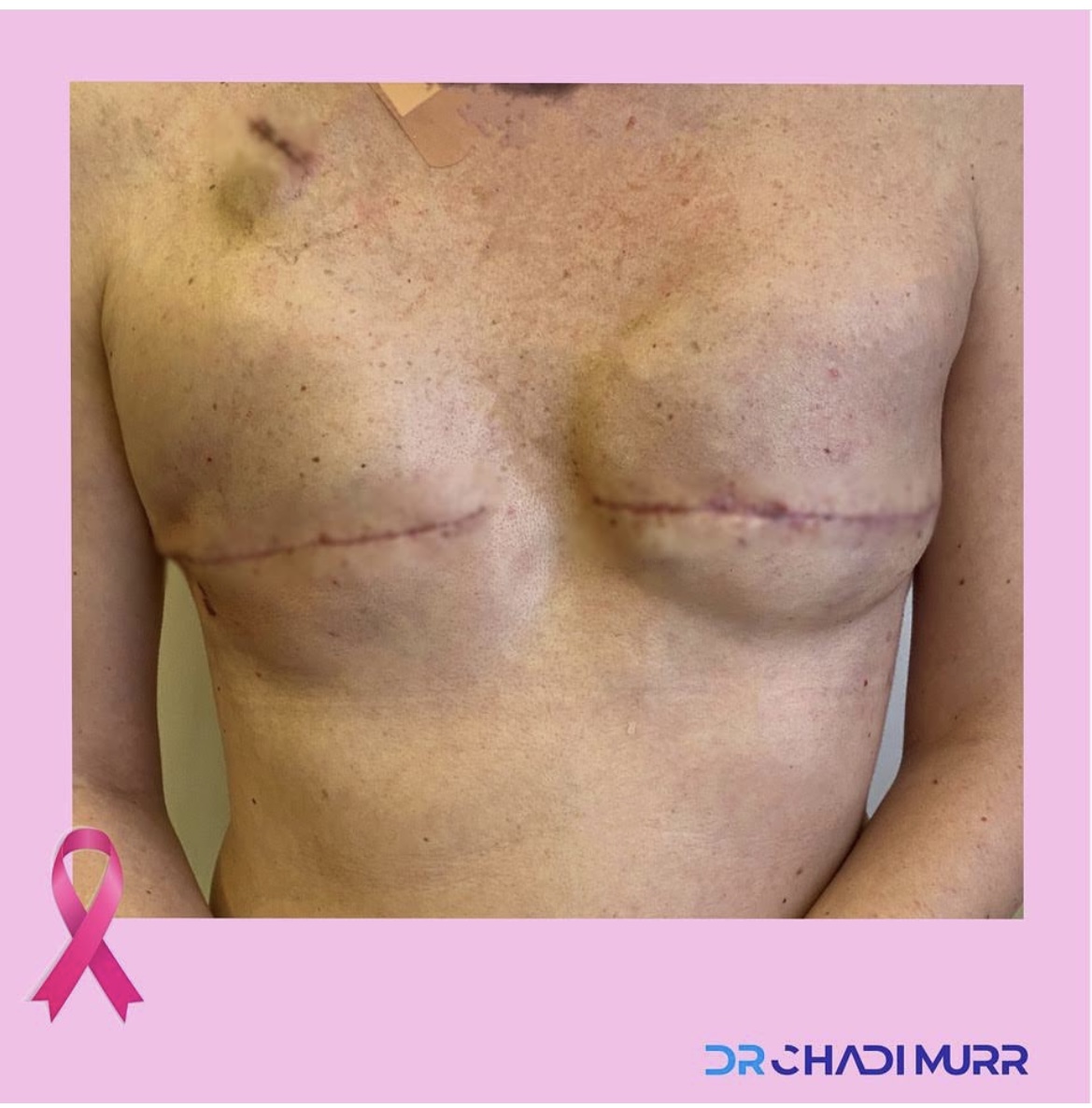
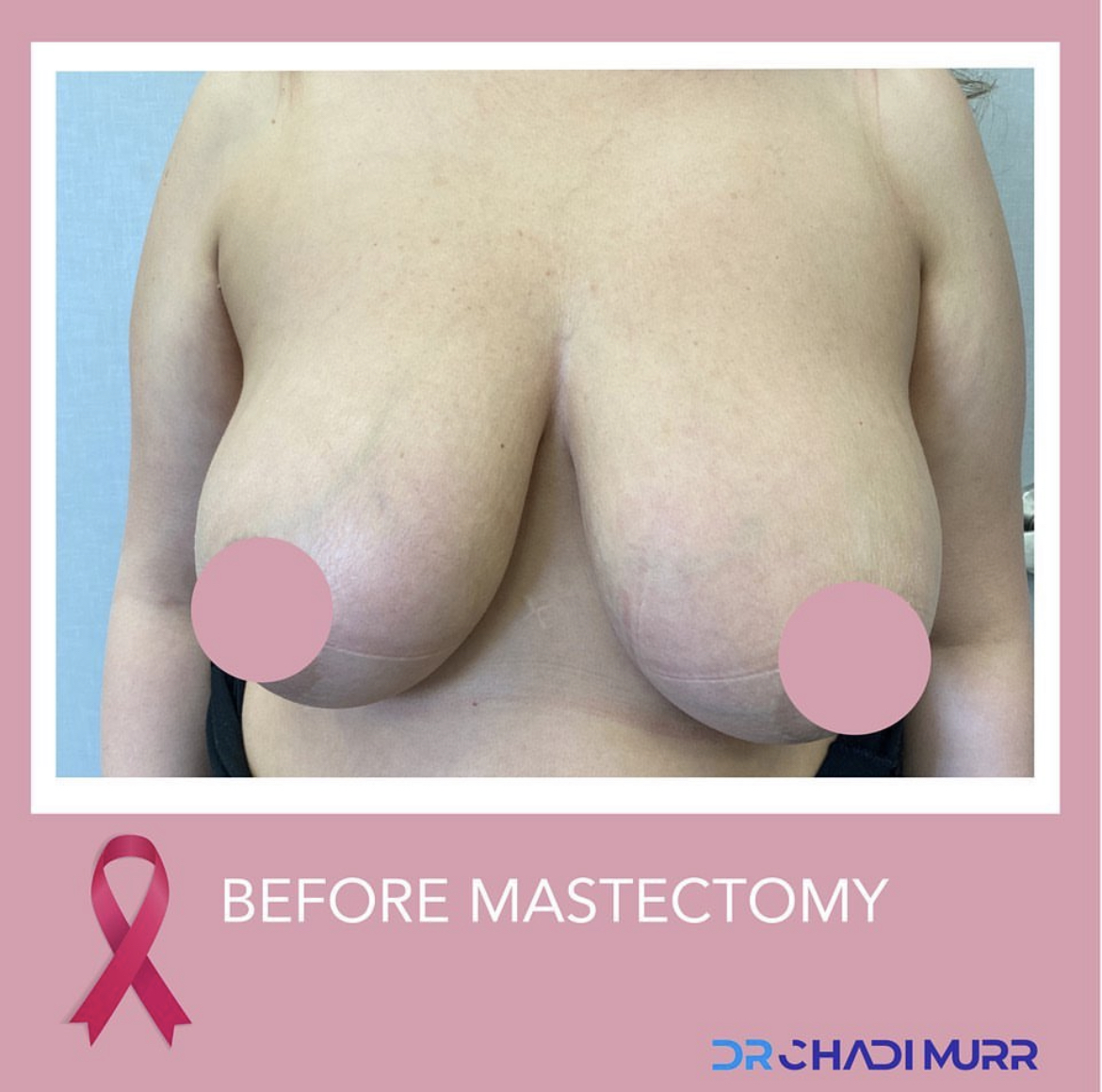
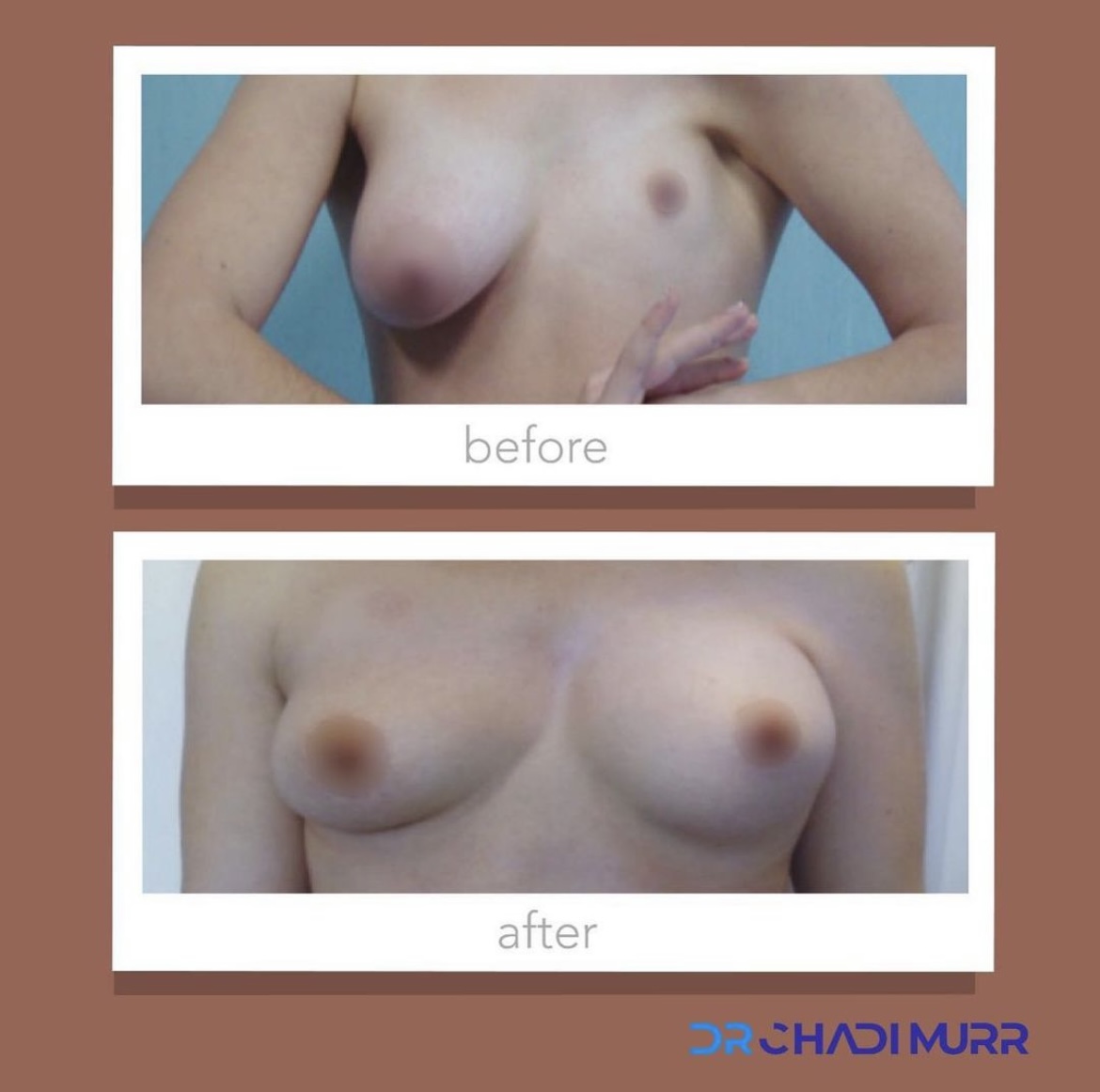
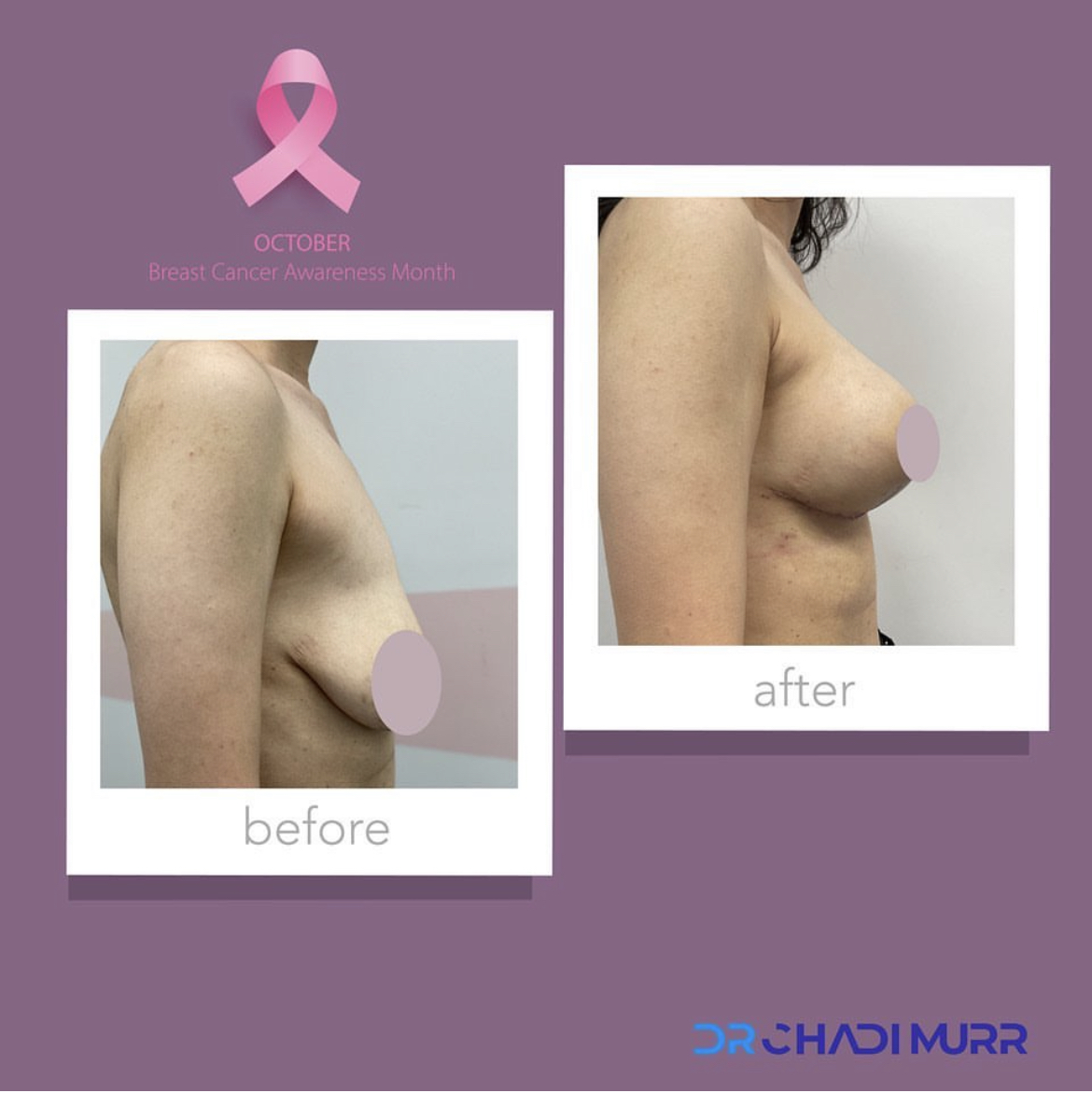
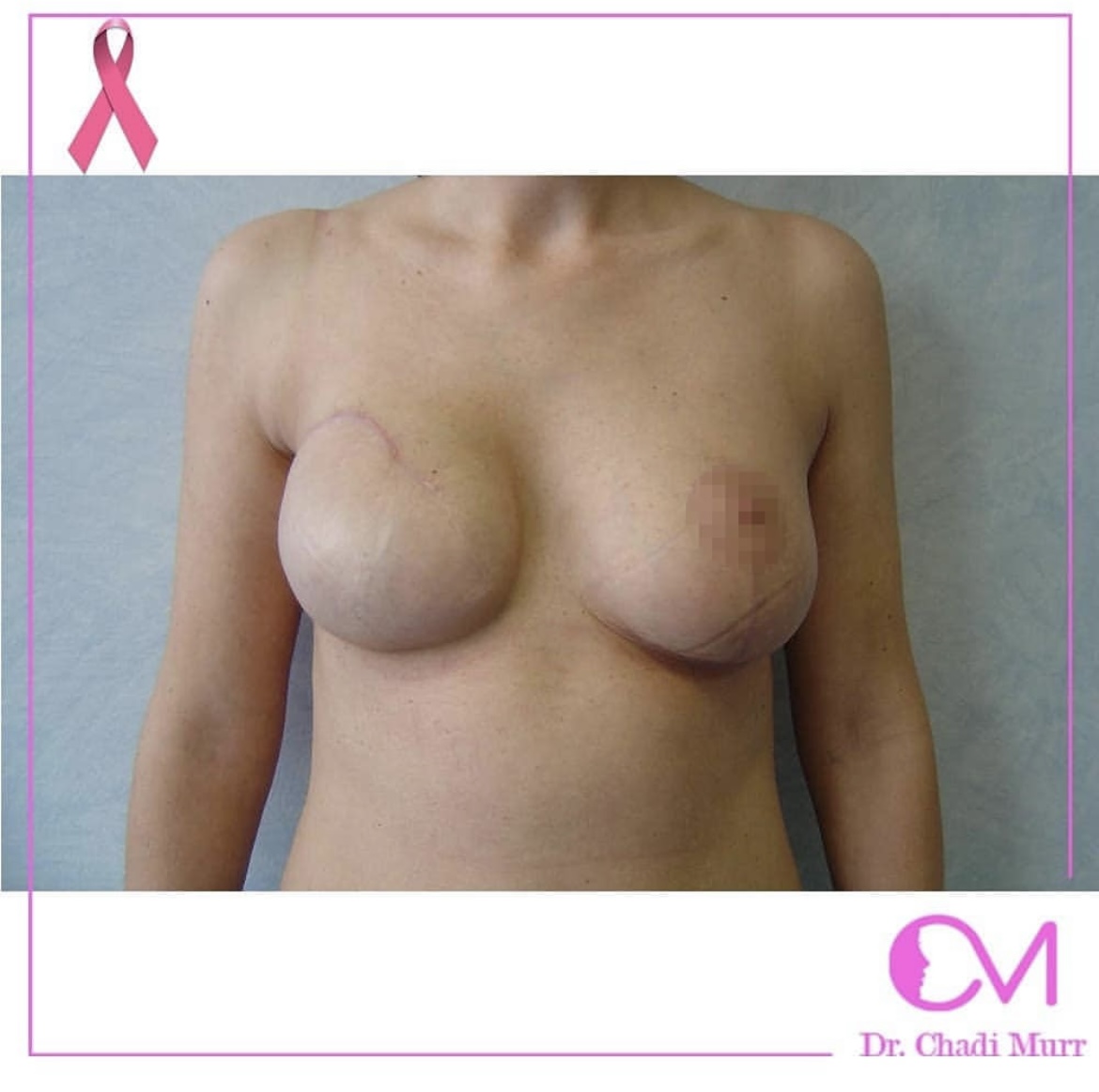
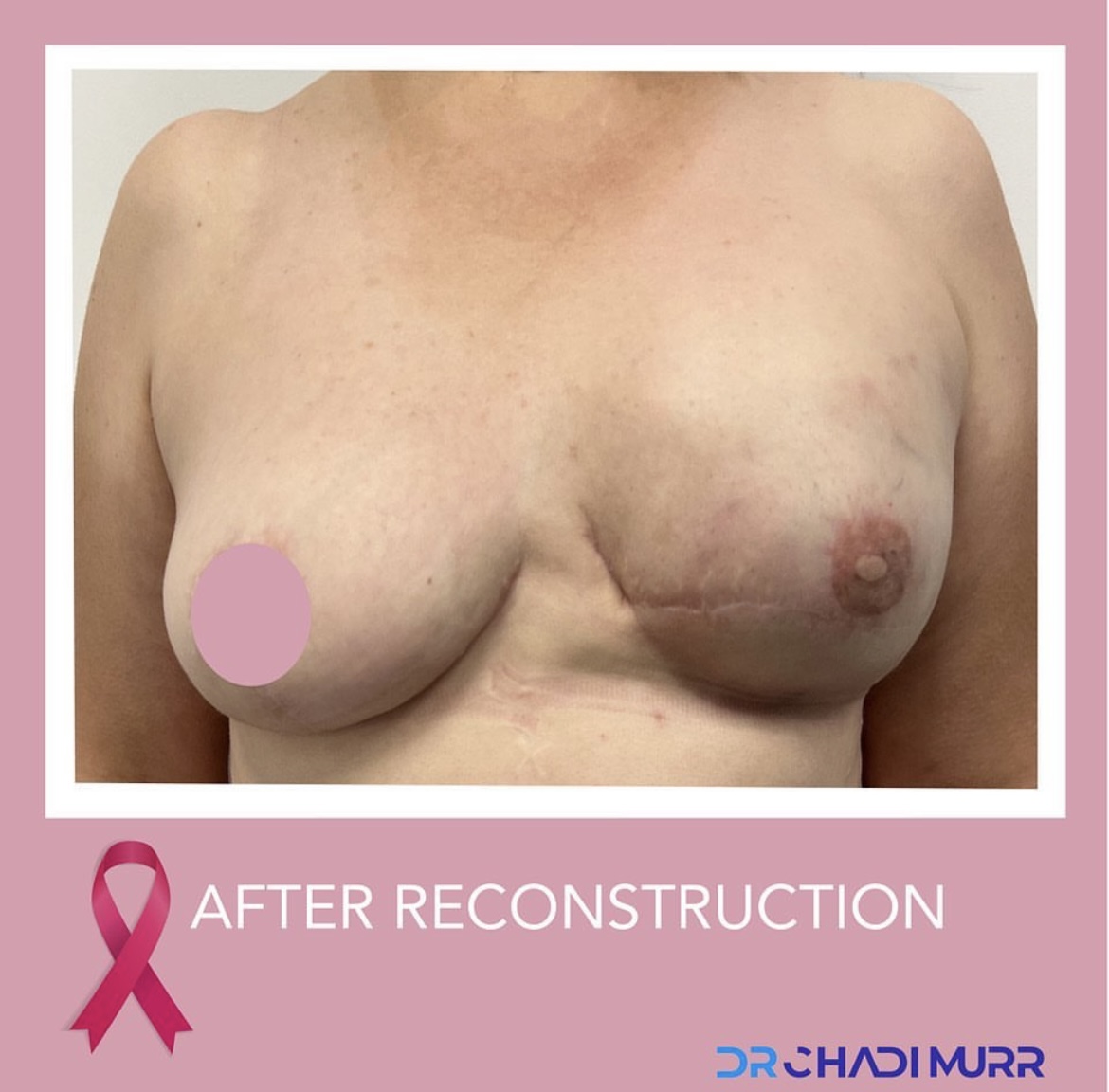
Breast reconstruction after breast cancer is a surgical procedure designed to recreate breast shape after mastectomy or partial breast removal.
Read MoreThe goal is to restore breast contour, improve symmetry, and help patients feel more comfortable with their body after cancer treatment.
Dr. Chadi Murr approaches breast reconstruction with a personalized and supportive philosophy, carefully evaluating each patient’s medical history, cancer treatment plan, anatomy, and expectations before recommending the most appropriate reconstructive option.
Breast Reconstruction at a Glance
Procedure time: Depends on technique
Anesthesia: General anesthesia
Hospital stay: Usually overnight
Return to daily activities: Several weeks
Final results: Several months
Who Should Consider Breast Reconstruction?
You may consider breast reconstruction in Lebanon if you:
- Have undergone mastectomy.
- Are planning breast cancer surgery.
- Have had partial removal of breast tissue.
- Want to restore breast shape and symmetry.
- Are medically cleared for reconstruction.
- Have realistic expectations about staged treatment.
Women who have only had lumpectomy may not always need reconstruction, depending on the amount of tissue removed and the final breast shape.
During your consultation, Dr. Chadi Murr evaluates your breast anatomy, previous surgery, skin quality, cancer treatment history, and goals before recommending the most appropriate plan.
Personalized Surgical Planning
Every breast reconstruction procedure is tailored to the individual patient.
Factors considered during planning include:
- Type of breast cancer surgery.
- Amount of remaining skin and tissue.
- Whether radiation therapy was performed.
- Patient health and recovery needs.
- Desired breast size and shape.
- Whether one or both breasts need reconstruction.
- Implant-based or tissue-based options.
Breast reconstruction may be immediate, performed at the same time as mastectomy, or delayed until after cancer treatment is complete.
What are the different breast reconstruction options?
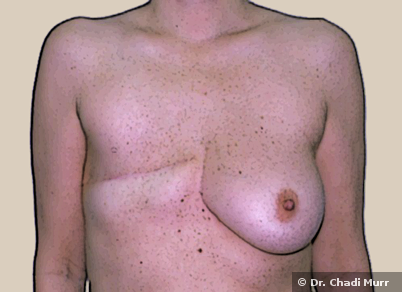
There are many techniques that can be performed in breast reconstruction: a newly shaped breast using implant, your own tissue flap, or a combination of both.
1- Reconstruction with implants
The silicone gel-filled implant is the most common one. Silicone gives a more natural-looking breast as its weight and texture are relatively similar to breast tissue. The surgery can be done either in one or two stages.
Read More
One-stage procedure: Immediate breast reconstruction can be performed at the same time with mastectomy. Once the general surgeon is done with his part, I put a breast implant to replace the breast tissue to recreate the breast contour. Two-stage procedure: This reconstruction practice is done if the skin and chest wall tissues are tight and flat. A balloon-like tissue expander is put under the skin and chest muscles. A salt-water solution is then injected through a tiny valve at regular intervals to continuously fill the expander over a period of four to six months.
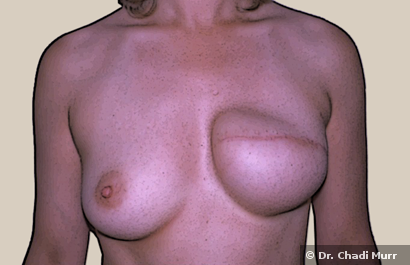
When the skin over the breast area is stretched enough, a second surgery is performed to replace the expander with the permanent implant.
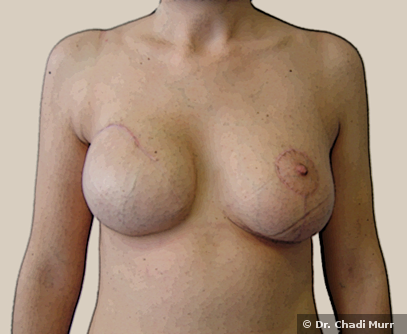
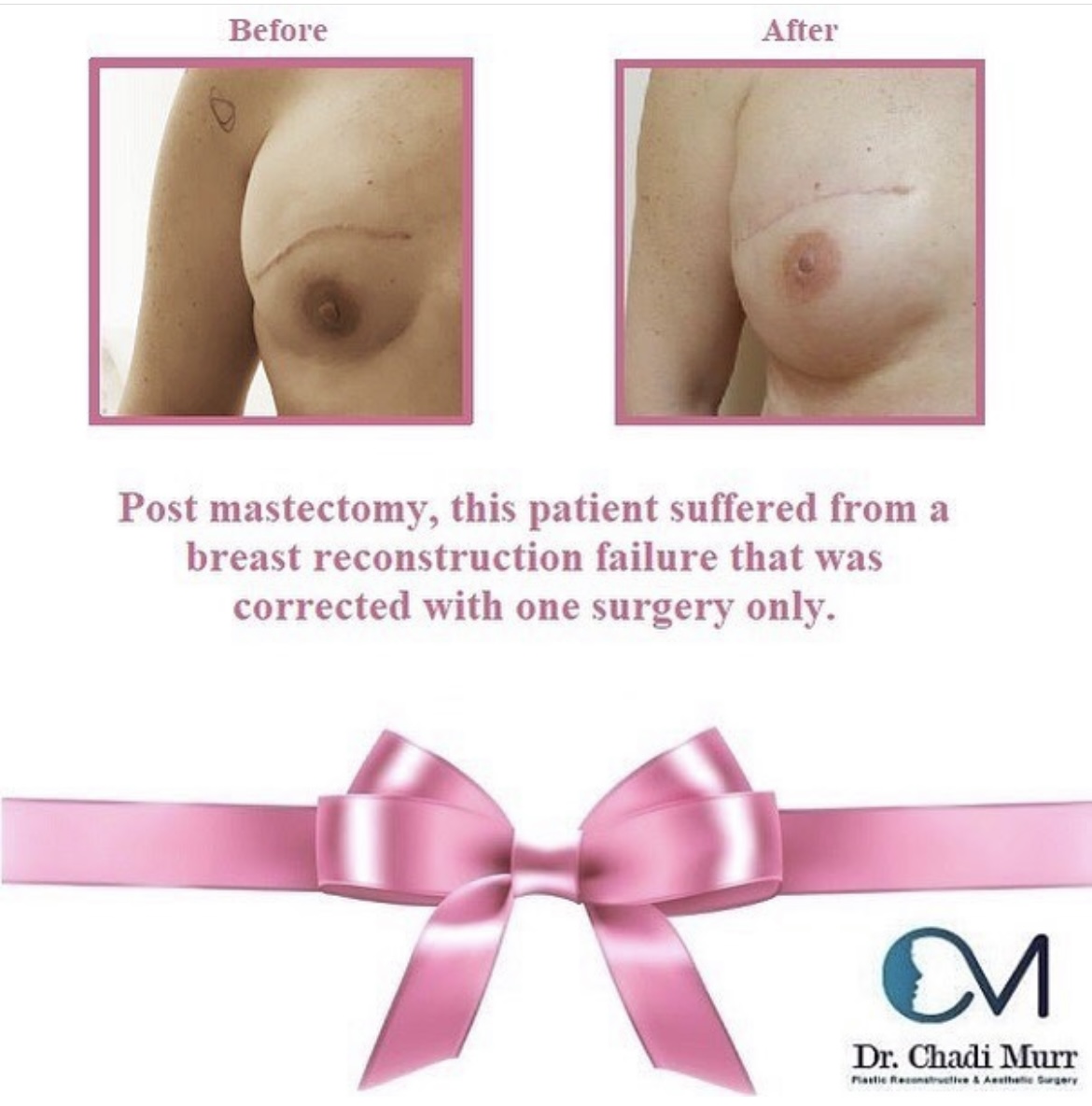
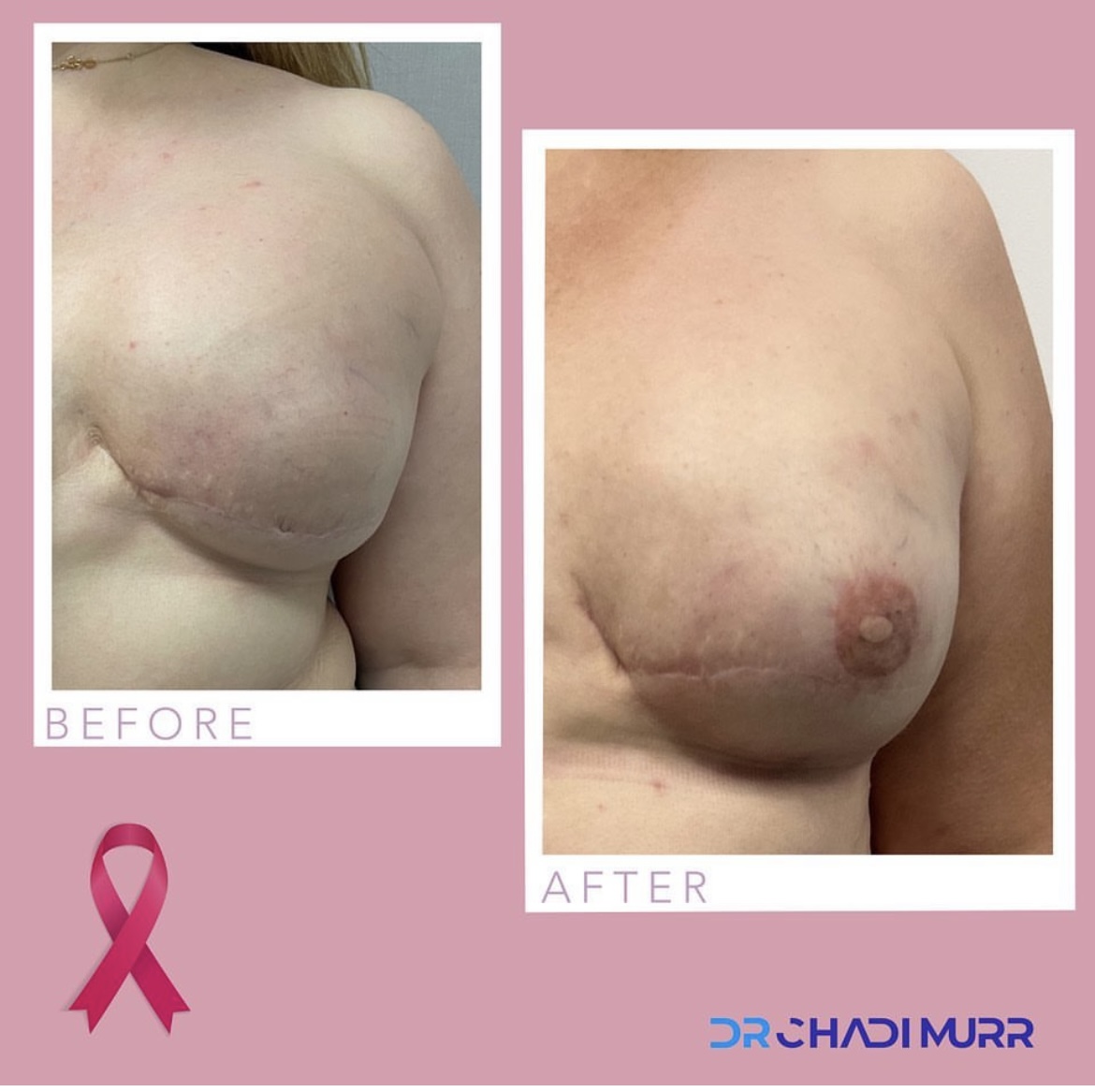
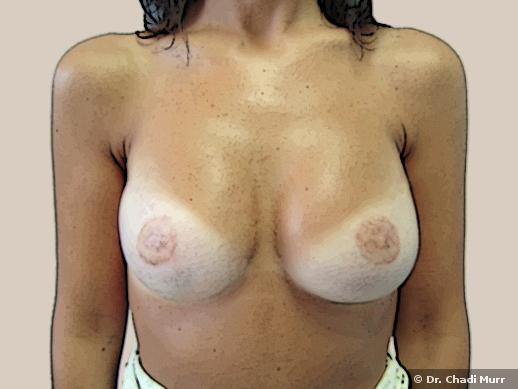
When during mastectomy the nipple and areola are removed, several techniques are available for nipple reconstruction; we can discuss the options according to the patient’s case.
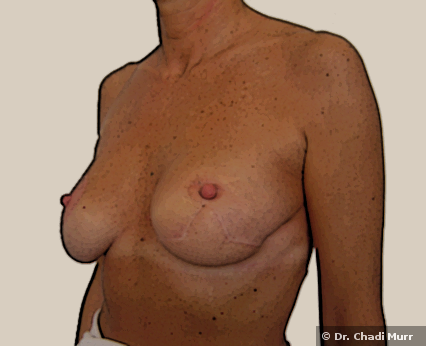
2- Reconstruction with tissue flaps
Also known as latissimus dorsi flap, this procedure consists of using tissues from the upper back to reconstruct the breast. Tissue flap surgery is also referred to as autologous tissue reconstruction.
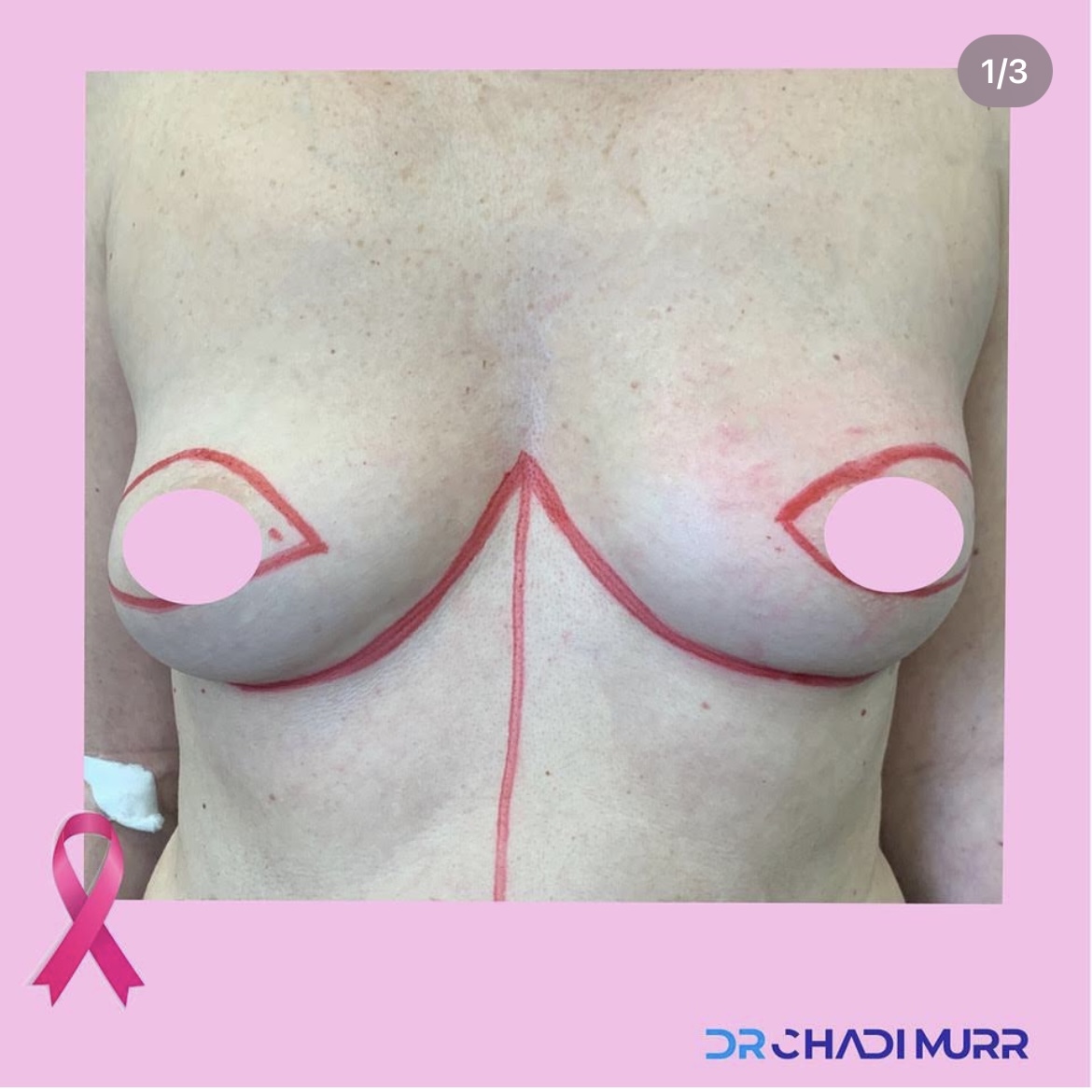
Read MoreIn women with small breasts, the flap may supply sufficient volume and size without the use of implant. However, in women with larger breasts, it is necessary to include an implant at the time of the reconstruction. Careful preoperative markings are made and a flap consisting of the back muscle and its overlying skin and fat is elevated. A tunnel is then created under the skin, from the back to the new breast area. I will then move the flap, together with its blood supply, through the tunnel to the breast area.
This surgery is done with a single incision across the mid back area (hidden under the bra line). If an implant is to be used, it is placed underneath the flap on the chest wall. Since healthy blood vessels are needed for the tissue’s blood supply, flap procedures are usually avoided for women with diabetes, connective tissue or vascular disease, or for smokers.
How Is Breast Reconstruction Performed?
Breast reconstruction is performed under general anesthesia. The technique depends on the patient’s anatomy and treatment history.
The procedure may involve:
- Reconstruction with breast implants.
- Tissue expansion before implant placement.
- Reconstruction using the patient’s own tissue.
- Nipple and areola reconstruction when needed.
- Symmetry correction of the opposite breast.
- One-stage or staged reconstruction.
Implant reconstruction may use a tissue expander first, followed by a permanent implant in a second procedure.
Tissue flap reconstruction uses the patient’s own tissue to create a breast mound and may provide a more natural feel in selected cases.
Dr. Chadi Murr recommends the technique that best matches the patient’s medical condition, anatomy, and expectations.
Where Is Breast Reconstruction Performed?
Breast reconstruction is performed under general anesthesia in an accredited hospital setting to ensure optimal patient safety.
Dr. Chadi Murr performs breast reconstruction procedures in leading hospitals in Beirut or at Ledra Clinic in Nicosia, depending on the patient’s location and treatment plan.
Operating in fully equipped medical facilities provides access to experienced surgical teams and proper post-operative monitoring.
Recovery After Breast Reconstruction
Recovery after breast reconstruction depends on the technique used.
Most patients can expect:
- Swelling and tightness during the first weeks.
- Drains in some cases.
- Temporary discomfort managed with medication.
- Return to light daily activities within a few weeks.
- Avoidance of strenuous activity during early healing.
- Follow-up visits to monitor healing and symmetry.
Implant-based reconstruction may have a shorter recovery than tissue flap reconstruction, which can take several weeks.
Final results continue to refine as swelling decreases and tissues settle.
Natural Breast Reconstruction Results
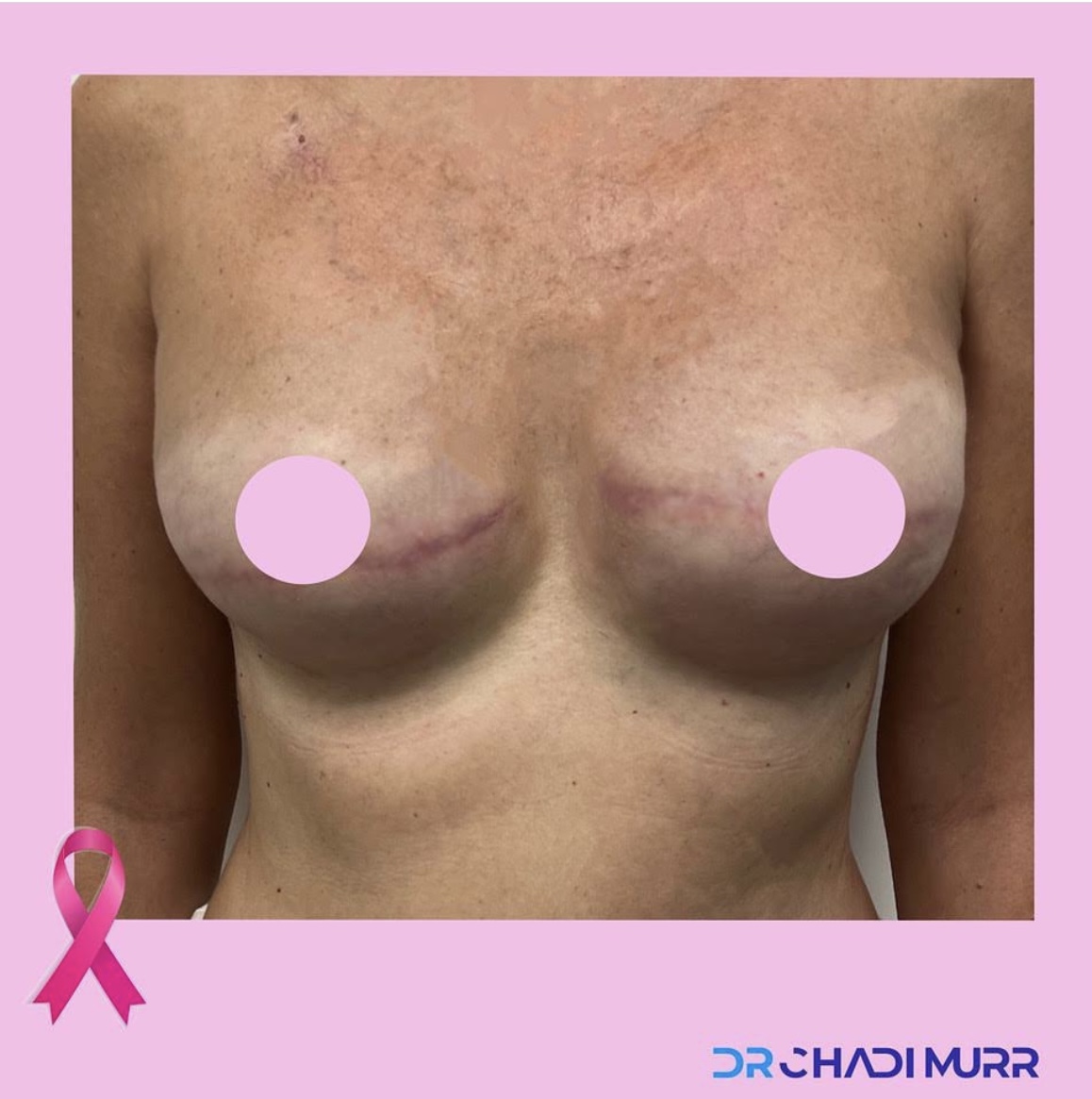
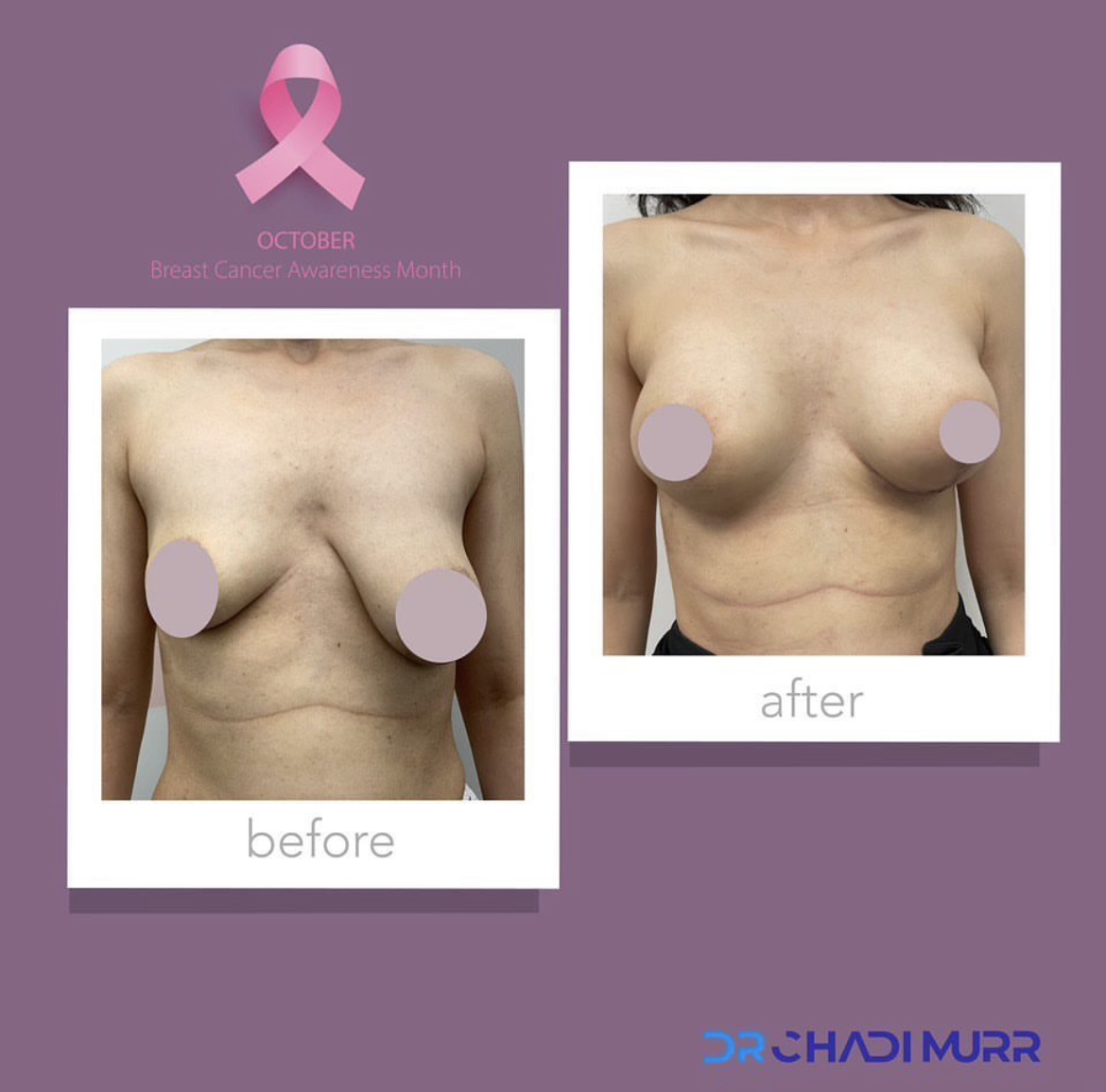
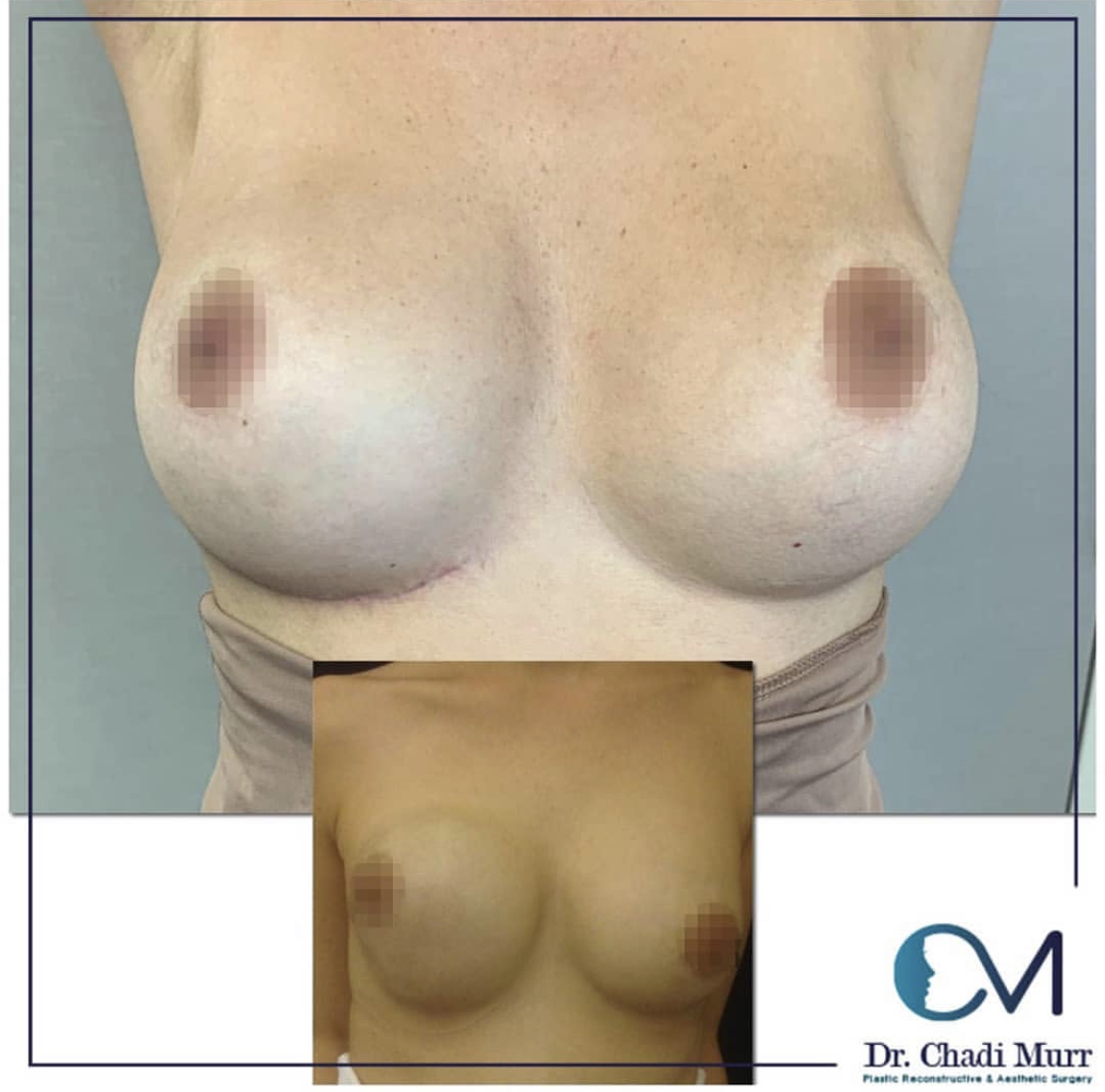
The goal of breast reconstruction is to create a natural breast shape and improve body symmetry after cancer surgery.
Dr. Chadi Murr focuses on restoring form while respecting the patient’s medical history, body proportions, and emotional recovery.
Each reconstruction plan is designed to help patients feel more comfortable and confident after treatment.
Breast Reconstruction for International Patients
Patients from different countries may travel to consult with Dr. Chadi Murr for breast reconstruction in Lebanon or Cyprus.
Depending on the patient’s medical condition, travel plans, and reconstructive needs, surgery may be performed in Beirut or at Ledra Clinic in Nicosia.
The clinic team assists with consultation scheduling, surgical planning, and follow-up.
Frequently Asked Questions
When can breast reconstruction be performed after mastectomy?
It can be done immediately at the time of mastectomy or delayed, depending on the patient’s treatment plan.
Is breast reconstruction safe after cancer treatment?
Yes. Reconstruction does not increase the risk of cancer recurrence when planned appropriately.
Will the reconstructed breast look natural?
Modern techniques aim to achieve a natural breast shape and symmetry, although reconstructed breasts may feel different from natural tissue.
How long is recovery?
Recovery depends on the technique used, but most patients resume daily activities within a few weeks.
Book a Consultation
If you are considering breast reconstruction after breast cancer in Lebanon, a consultation with Dr. Chadi Murr will allow you to discuss your options.
During the consultation, your medical history, breast anatomy, treatment plan, and expectations will be carefully evaluated.
Disclaimer: The info presented on this page is indicative and for generic use only. Each patient’s case is unique and will be studied by Dr. Chadi Murr for full assessment.