Welcome to Dr. Chadi Murr

Poland Syndrome Reconstruction in Lebanon
Poland Syndrome Reconstruction in Lebanon
Chest Wall and Breast Reconstruction by Dr. Chadi Murr
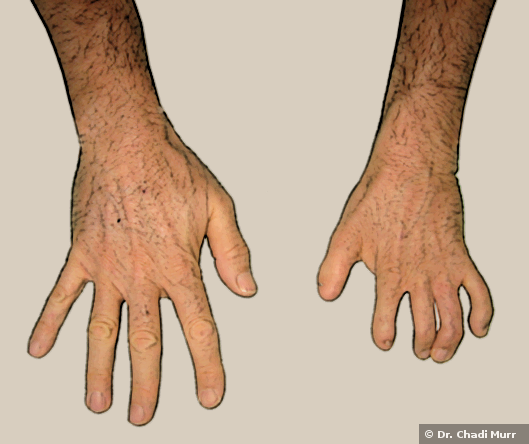
Poland syndrome is a rare congenital condition characterized by underdevelopment or absence of chest muscles on one side of the body. It may also be associated with differences in the breast, nipple, ribs, arm, or hand.
Read MoreThe condition can vary from mild to more complex cases. Some patients may have subtle chest asymmetry, while others may require reconstructive surgery to improve body symmetry and function.
Dr. Chadi Murr approaches Poland syndrome reconstruction with careful evaluation and personalized planning, focusing on restoring balance, improving symmetry, and selecting the most appropriate reconstruction method for each patient.
Poland Syndrome Reconstruction at a Glance
Procedure time: Depends on complexity
Anesthesia: General anesthesia
Hospital stay: Usually overnight
Return to work or school: 1–3 weeks
Final results: Several months
Who Is a Good Candidate for Poland Syndrome Reconstruction?
You may be a good candidate for Poland syndrome reconstruction in Lebanon if you:
- Have chest wall asymmetry.
- Have underdevelopment of one breast or pectoral area.
- Have absence or weakness of the pectoralis muscle.
- Feel physically or emotionally affected by the deformity.
- Are healthy enough for surgery.
- Have realistic expectations about staged reconstruction.
Both male and female patients may benefit from reconstruction, but the surgical approach differs depending on anatomy, age, and severity.
During the consultation, Dr. Chadi Murr evaluates the chest wall, breast development, pectoral muscle, arm or hand involvement, and overall symmetry before recommending the most appropriate plan.
Personalized Surgical Planning
Every Poland syndrome case is different.
Factors considered during surgical planning include:
- Degree of chest wall deformity.
- Absence or weakness of the pectoralis muscle.
- Breast or nipple asymmetry.
- Rib or skeletal involvement.
- Hand or arm differences.
- Patient age and growth stage.
- Whether one or multiple stages are needed.
In female patients, reconstruction may be performed in stages, especially if breast development is not complete.
In male patients, treatment may focus on chest symmetry and restoring the appearance of the pectoral area.
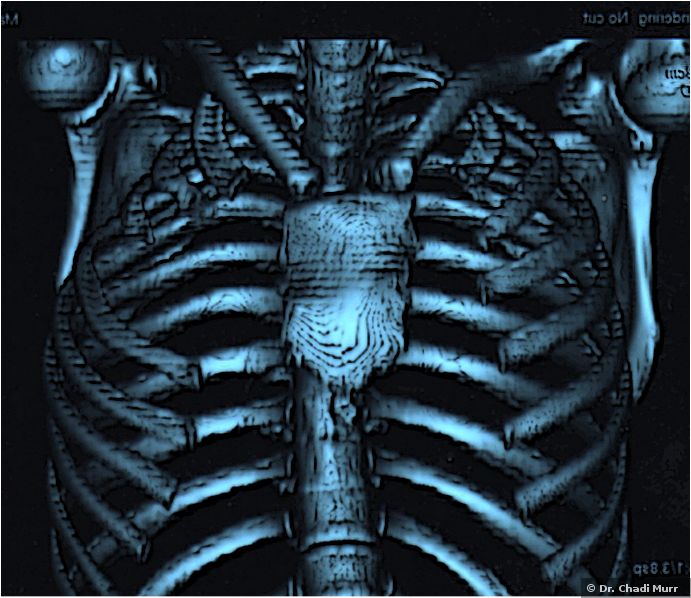
How is it done?
A thorough examination will help assess the surgical option that optimizes the success of the procedure.
1- In Females:
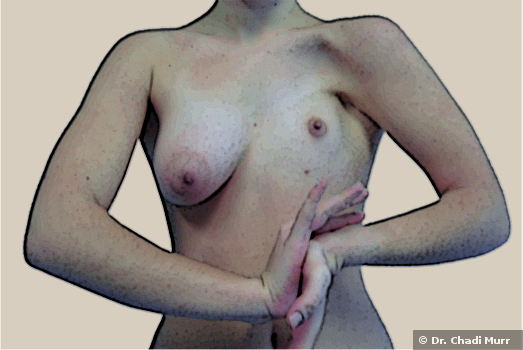
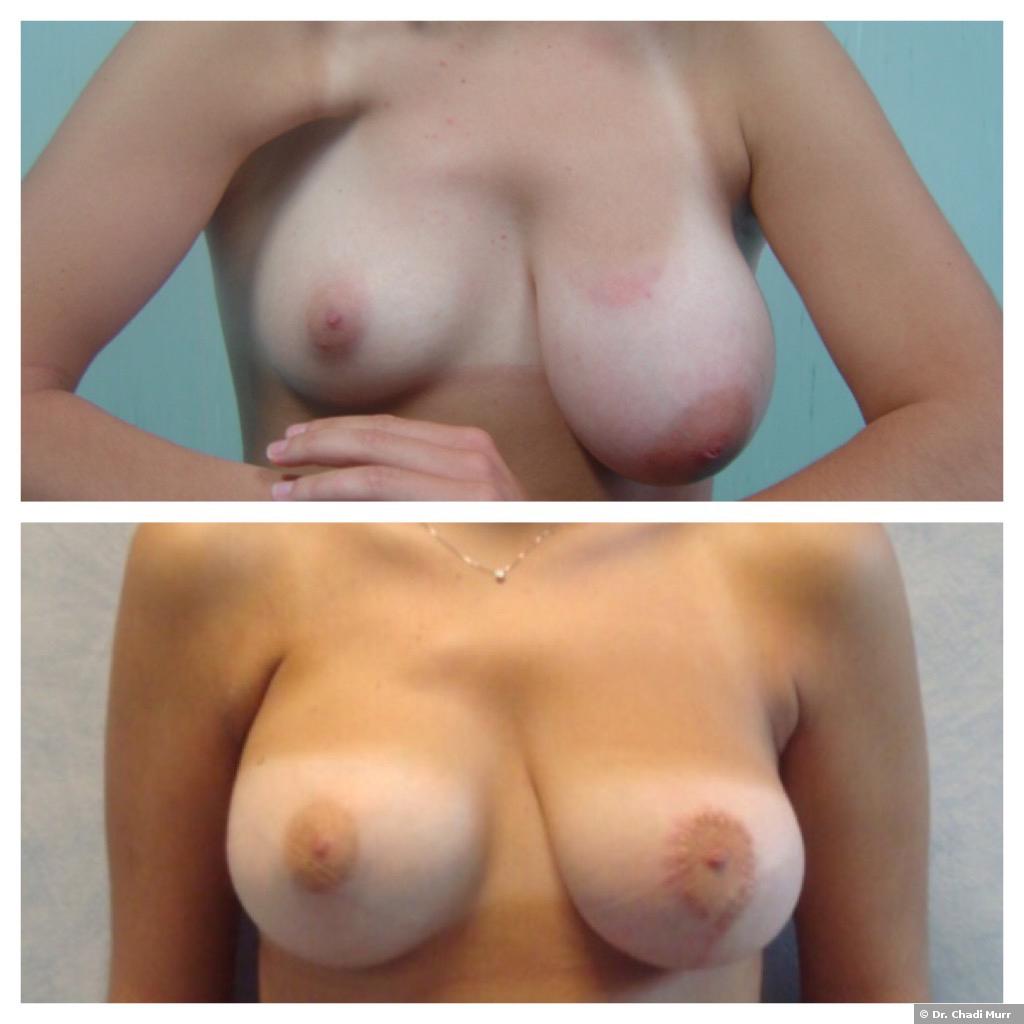
In female teenagers, the procedure will happen in two phases, as the breasts are still not fully developed at this age.
Read MoreTherefore, a temporary breast reconstruction is performed during which a subcutaneous tissue expander is placed in the affected side and then gradually inflated to follow the pace of the development of the other breast. By placing this expander, I will also be preparing the skin to accommodate the final implant and back muscle.
For patients with minor breast asymmetry, a one-stage reconstruction is performed. A permanent implant filled with silicone gel and saline component is placed, featuring a removable port. After surgery, I will progressively fill the implant through the port to achieve symmetry with the other breast. Once the patient reaches its full breast development, the port is removed through a small incision. In most cases, tissue expansion corrects the nipple-areola asymmetry; if it doesn’t, an additional minor surgical procedure is performed.
2- In Males:
In male patients, the chest deformity is corrected with the transposition of the back muscle (latissimus dorsi) around the age of 18 years. In the event of a minor rib abnormality, a simple transposition of the back muscle will be sufficient to achieve a symmetrical appearance.
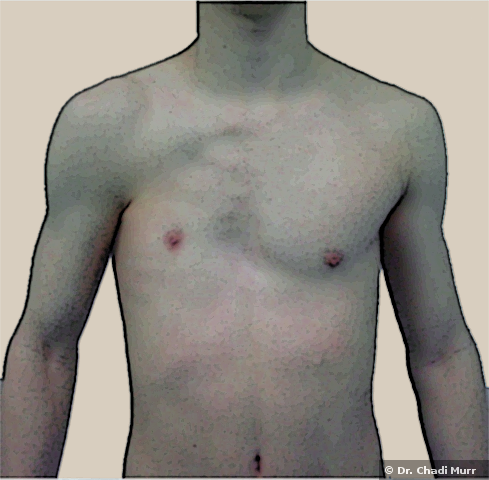
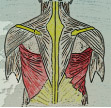
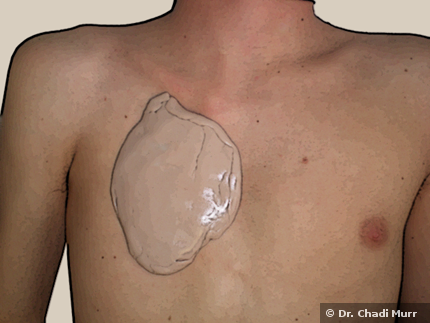
However, in case of severe abnormalities, this procedure is combined with the placement of a custom-made breast implant.
How Is Poland Syndrome Reconstruction Performed?
Poland syndrome reconstruction is performed under general anesthesia. The technique depends on the patient’s anatomy and severity.
The procedure may involve:
- Correcting chest wall asymmetry.
- Using implants or expanders.
- Reconstructing the breast or pectoral area.
- Transferring muscle or soft tissue when needed.
- Using custom-made implants in severe cases.
- Performing staged procedures for better symmetry.
In some male patients, transposition of the latissimus dorsi muscle may be used to help restore the chest contour.
In female patients, reconstruction may include breast implants, tissue expansion, or other techniques to improve breast symmetry.
Dr. Chadi Murr selects the approach based on the patient’s anatomy, age, and reconstructive goals.
Where Is Poland Syndrome Reconstruction Performed?
Poland syndrome reconstruction is performed under general anesthesia in an accredited hospital setting.
Dr. Chadi Murr performs Poland syndrome reconstructive procedures in leading hospitals in Beirut or at Ledra Clinic in Nicosia, depending on the patient’s location and treatment plan.
Operating in a fully equipped medical facility allows access to advanced surgical equipment, anesthesiology teams, and proper post-operative care.
Recovery After Poland Syndrome Reconstruction
Recovery depends on the type of reconstruction performed.
Most patients can expect:
- Swelling and bruising during the first weeks.
- Drains in some cases.
- Temporary discomfort or tightness.
- Return to light daily activities within one to two weeks.
- Avoidance of sports and strenuous activity for several weeks.
- Gradual improvement in chest shape over time.
More complex reconstructions may require longer recovery and staged follow-up.
The final result continues to improve as swelling decreases and tissues settle.
Natural Reconstruction Results
The goal of Poland syndrome reconstruction is to improve symmetry while creating a natural-looking chest or breast contour.
Dr. Chadi Murr focuses on restoring balance between both sides of the body while preserving a realistic and proportionate appearance.
Each treatment plan is designed according to the patient’s anatomy, age, and long-term needs.
Poland Syndrome Reconstruction for International Patients
Patients from different countries may travel to consult with Dr. Chadi Murr for Poland syndrome reconstruction in Lebanon or Cyprus.
Depending on the patient’s travel plans and reconstructive needs, surgery may be performed in Beirut or at Ledra Clinic in Nicosia.
The clinic team assists with consultation scheduling, surgical planning, and follow-up.
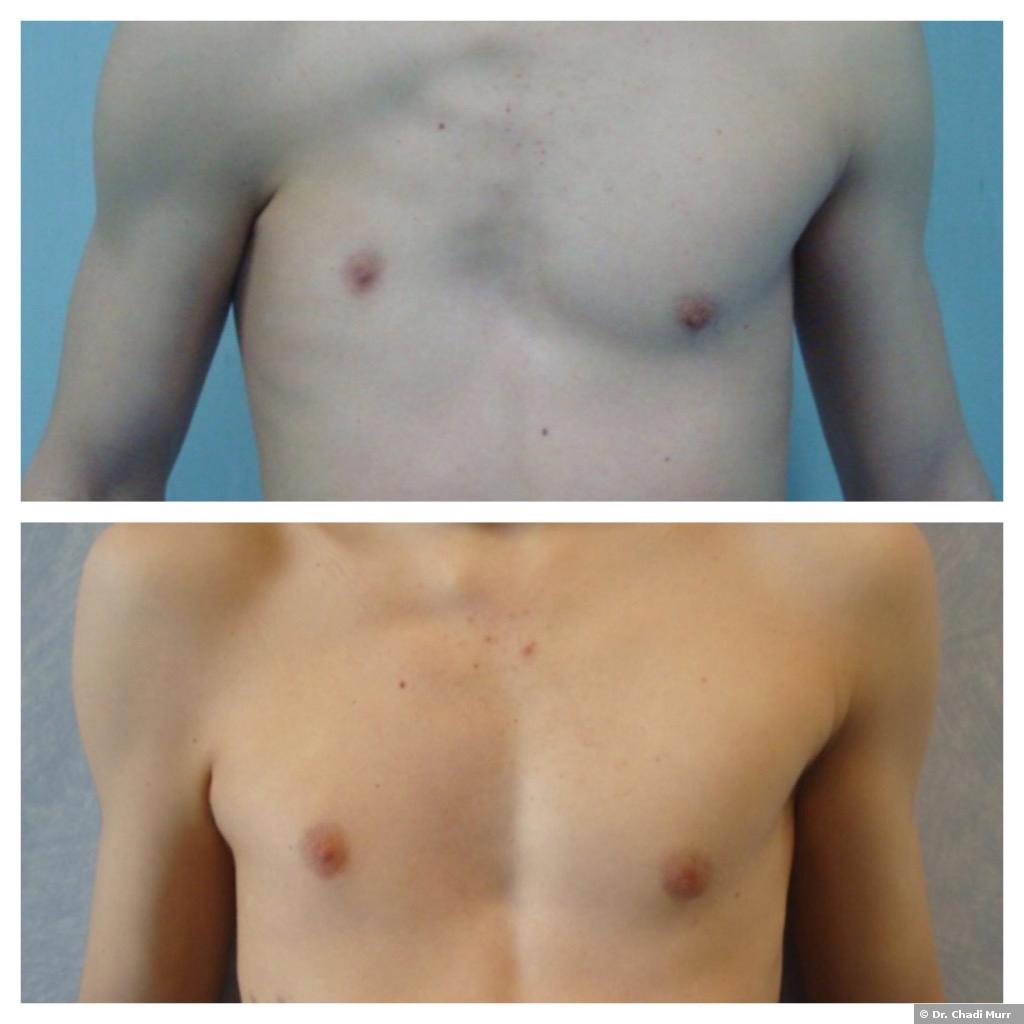
The patient will leave the hospital two or three days following surgery after the drains are removed, and will be able to resume work a week later and sports activities three weeks later.Read More
In all cases, you will be given specific instructions on how to care for your surgical site, what medications to take in order to relieve the pain and reduce the risk of infections. Be sure to ask all the questions concerning what to expect during the recovery period.
Disclaimer: The info presented on this page is indicative and for generic use only. Each patient’s case is unique and will be studied by Dr. Chadi Murr for full assessment.
Frequently Asked Questions
Is Poland syndrome treatable?
Yes. Reconstructive surgery can improve chest or breast symmetry.
Is treatment different for men and women?
Yes. Treatment depends on anatomy, breast development, chest wall shape, and severity.
Is surgery done in one stage?
Sometimes, but more complex cases may require multiple stages.
Are results permanent?
Results are generally long-lasting after completion of reconstruction.
Book a Consultation
If you are considering Poland syndrome reconstruction in Lebanon, a consultation with Dr. Chadi Murr will allow you to understand your options.
During the consultation, your chest anatomy, symmetry, medical history, and reconstructive goals will be carefully evaluated.
Disclaimer: The info presented on this page is indicative and for generic use only. Each patient’s case is unique and will be studied by Dr. Chadi Murr for full assessment.